Precision
Hardware position, webbing length and stitch placement are treated as specifications, not approximations. A part that is nearly right is a part to be corrected.
Automotive restraint systems / engineered components
Precision-manufactured seatbelt systems for automotive safety and dependable vehicle applications — produced to be consistent, part after part.
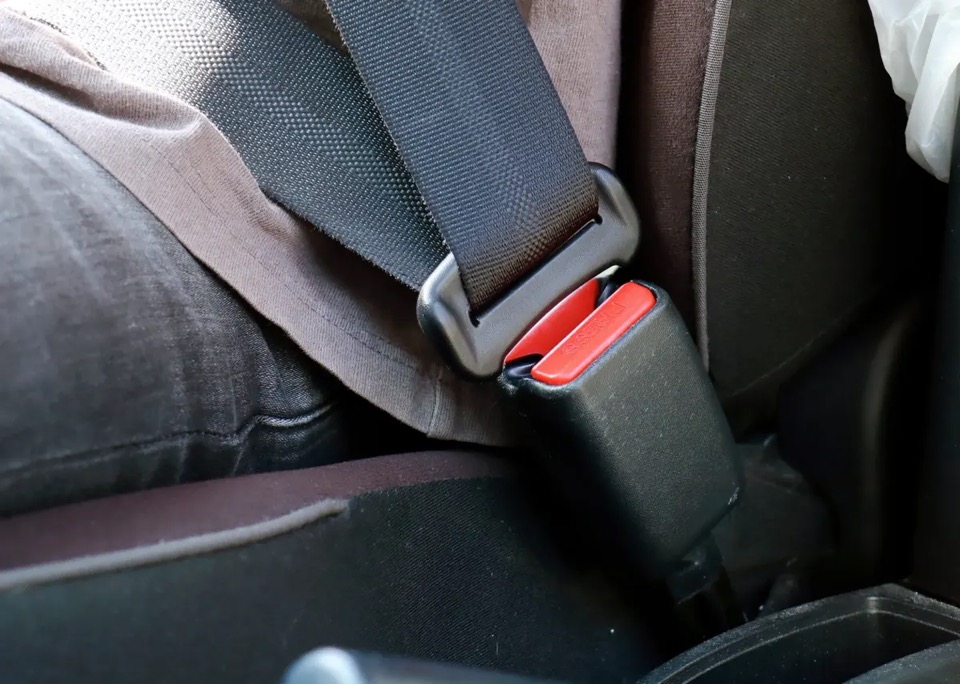

A seat belt is not judged by how it looks on a shelf. It is judged by whether the thousandth assembly behaves exactly like the first — the same webbing feed, the same stitch placement, the same latch engagement, the same release effort.
That is what seatbelt manufacturing is really about. Every meaningful decision on the production floor exists to remove variation: how material is received and checked, how it is cut and prepared, how hardware is positioned before it is fixed, and how the finished assembly is examined before it leaves.
We build to a repeatable standard, not to a one-off sample. Component consistency, assembly accuracy and honest inspection are the difference between a part that merely fits and a part that can be depended on in service.
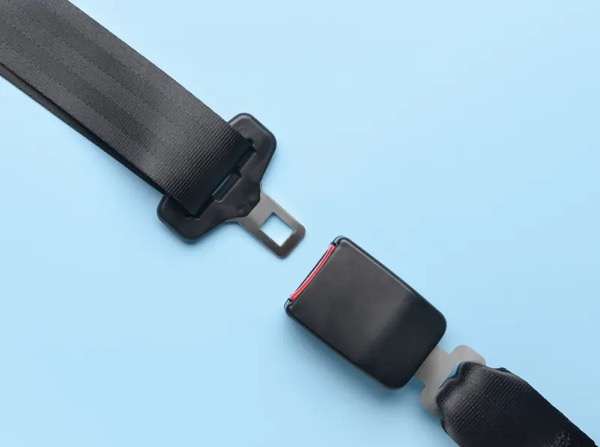
Every component contributes to the complete restraint system. If one of them is inconsistent, the assembly is inconsistent.
We would rather describe how we work than publish numbers we cannot stand behind. These five commitments shape every job that moves through the floor.
Hardware position, webbing length and stitch placement are treated as specifications, not approximations. A part that is nearly right is a part to be corrected.
Setups are documented and repeated so that batch behaviour does not drift between the start of a run and the end of it.
Material, preparation, assembly, stitching, hardware integration and inspection each have a defined place in the sequence and a defined hand-off.
Checking is built into the flow rather than added at the end. Anything that does not pass is separated before it can reach a customer.
A seat belt is only correct in context. We work from the vehicle and the mounting situation outwards, not from a catalogue inwards.
Eight areas of manufacture and supply. Detailed product information is shared against a stated vehicle and application — tell us the requirement and we will answer it specifically.
Complete belts manufactured for vehicle use, supplied to suit the seating position and mounting arrangement they are intended for.
Application — general vehicle fitment
The familiar shoulder-and-lap arrangement, anchored at three points so load is shared across the strongest part of the body.
Application — front and rear seating
Belts built around a retractor so webbing is stored neatly, drawn out smoothly and returned without slack after use.
Application — everyday passenger use
Two-point belts that restrain across the pelvis, used where the seating position or structure suits a lap arrangement.
Application — centre and bench seating
The locking half of the system: housings, release controls and stalks that must engage positively and release predictably.
Application — assembly and replacement
Webbing, latch plates, anchor plates, guide loops, adjusters and fixings supplied as parts of a wider assembly requirement.
Application — assembly supply
Belts supplied to replace an existing assembly, matched against the vehicle, seating position and the fixings already present.
Application — workshops and owners
Application-specific work where a standard part does not suit the mounting, the seating layout or the operating conditions.
Application — by discussion
Confidence in a restraint component comes from what happened before it was packed — not from a badge printed afterwards.
Selecting the right belt is an application decision before it is a purchasing one. The seating position, the mounting points and the way the vehicle is used all change what is appropriate.
Enquiry
Tell us the vehicle, the seating position and what the belt has to do. Product enquiries, application questions, replacement requirements and sourcing discussions are all welcome — from owners, workshops, fleets and businesses alike.